
Blog, Garden Blog
What Should Come Inside Before the First Frost?
Oct
As temperatures begin to drop in Maryland, it is time to start thinking about the plants you do not want to leave outside when the first frost arrives. Many tropical plants, tender herbs and container plants that thrive outdoors during summer cannot tolerate freezing temperatures, but that does not necessarily mean you have to say goodbye to them.
With a little planning, some favorite plants can be brought indoors and enjoyed throughout the colder months or kept protected until they can return outside next year.
At White House Nursery in Upperco, Maryland, fall is a good time to take a look at your containers and decide which plants are worth saving before cold weather settles in.
Bring Tropical Plants Indoors Before Cold Weather
Tropical plants love the warmth of summer, but many begin to struggle as temperatures turn colder.
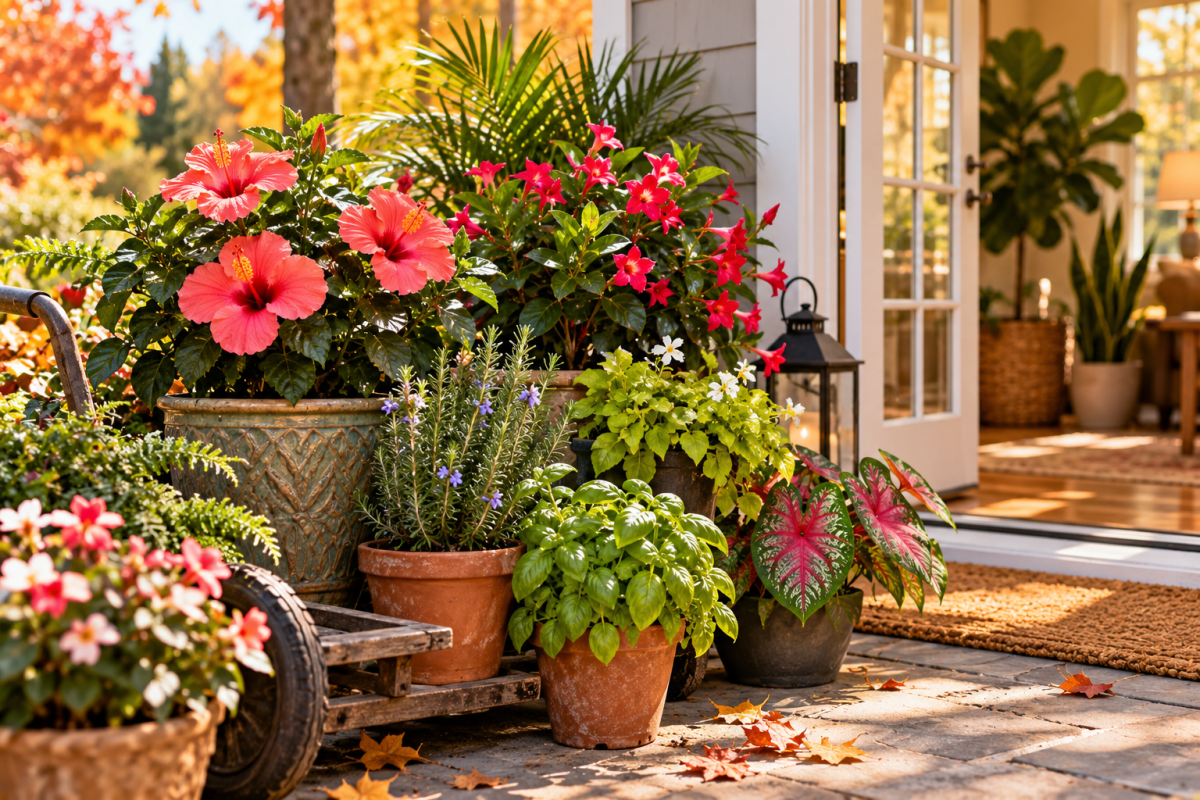
Plants such as hibiscus, mandevilla, tropical ferns and other tender tropicals may be candidates for bringing indoors before frost. Do not wait until a freezing night is already in the forecast. Giving plants time to transition before temperatures become too cold can make the move easier.
Before bringing any plant indoors, consider whether you have the appropriate light and space to keep it healthy.
Save Tender Container Plants From Frost
Containers often include plants that are not hardy enough to survive a Maryland winter outdoors.
Take a walk around your porch, patio and garden and identify the plants you would especially like to save. Depending on the plant, you may be able to bring the entire container indoors, move an individual plant to a separate pot or overwinter it in a protected location.
Not every container plant needs to be saved, but favorites may be worth the extra effort.
Which Herbs Can Come Indoors for Winter?
Some herbs growing outdoors can also be brought inside before cold weather arrives.
Herbs such as rosemary are commonly overwintered indoors in colder climates. Other tender herbs may also be worth bringing inside if you have a sunny location where they can continue growing.
Keep in mind that indoor conditions are very different from summer conditions outdoors. Light levels are lower, air can be drier and plants may grow more slowly.
Check Plants for Pests Before Bringing Them Inside
Before any outdoor plant crosses the threshold, give it a careful inspection.
Check the tops and undersides of leaves, stems, soil surface, containers and drainage holes for signs of insects. Look for common pests such as aphids, spider mites, scale and mealybugs.
Removing dead leaves and cleaning plants before they come indoors can help prevent unwanted hitchhikers from moving into your house along with your plants.
Give Plants a Good Cleaning
Plants that have spent months outdoors can collect dust, debris and insects.
Remove fallen leaves and damaged plant material, and gently clean foliage where appropriate. Check around the rim and bottom of pots as well.
If a plant has a pest problem, address it before placing the plant near your indoor houseplant collection.
Keep Returning Plants Separate at First
If possible, keep plants that have recently come indoors separated from your other houseplants for a period of time.
Continue checking leaves and stems for signs of pests. Catching an insect problem early is much easier than discovering it after pests have spread to several plants.
This is especially important if you already have a large collection of houseplants indoors.
Help Outdoor Plants Adjust to Indoor Conditions
Even healthy plants may react to the move indoors.
A plant that enjoyed bright outdoor conditions all summer is suddenly dealing with less light, different humidity and reduced air circulation. Some leaf yellowing or leaf drop can happen as plants adjust.
Place plants where they will receive the appropriate amount of light for their needs, and avoid automatically maintaining the same watering schedule you used outdoors.
Be Careful With Watering During Winter
One of the biggest changes for overwintering plants is how much water they need.
Plants generally dry out differently indoors than they did outside during hot summer weather. Growth may also slow as days become shorter.
Instead of watering strictly according to a calendar, check the soil and the individual plant before watering. Keeping soil constantly wet can create problems for many plants during the winter months.
Not Every Plant Needs to Come Inside
Before filling every sunny window in your house, remember that some plants are meant to finish their season outdoors, while others may be hardy enough to remain outside through winter.
The best approach depends on the particular plant. Knowing what you are growing can help you decide whether to bring it inside, provide winter protection or simply enjoy it until the season ends.
If you are unsure, bring a photo or plant information with you when you visit us and ask about the best option for your particular plant.
Plan Ahead for the First Frost in Maryland
Fall weather can change quickly. Instead of waiting until the last minute, begin identifying your tender plants while daytime temperatures are still comfortable.
Make a list of the tropicals, herbs and special container plants you want to save, decide where they will spend the winter and inspect them carefully before bringing them inside.
A little preparation now can help you enjoy some of your favorite plants again next year.
Frequently Asked Questions About Bringing Plants Indoors
When should I bring tropical plants indoors in Maryland?
Bring cold-sensitive tropical plants inside before they are exposed to frost or freezing temperatures. Pay attention to local forecasts as fall temperatures begin to drop.
Which outdoor plants can be brought inside for winter?
Many tropical plants, tender container plants and certain herbs can potentially be overwintered indoors. The best method depends on the individual plant and the conditions you can provide.
Can I bring hibiscus indoors for winter?
Tropical hibiscus can be overwintered indoors when provided with suitable conditions. Inspect the plant carefully for pests before bringing it inside.
Can rosemary survive indoors during winter?
Rosemary can be overwintered indoors, but it needs appropriate light and careful watering. Indoor winter conditions can be challenging, so monitor the plant closely.
Should I spray plants before bringing them inside?
Inspect and clean plants first. If you discover a pest problem, choose a treatment appropriate for the specific pest and plant rather than treating unnecessarily.
Why do plants lose leaves after coming indoors?
Changes in light, humidity, temperature and watering can stress plants and cause some leaf drop as they adjust to indoor conditions.
Should I repot plants before bringing them indoors?
Not necessarily. Repotting can add additional stress during an already significant environmental change. Repot when there is a specific reason the plant needs it.
Where can I get help with fall plant care near Upperco, Maryland?
Visit White House Nursery in Upperco for help with seasonal plant care and preparing your garden and containers for colder weather.
Visit White House Nursery
White House Nursery
17422 Falls Road
Upperco, MD 21155
Hours:
Monday: Closed
Tuesday through Saturday: 10 AM to 6 PM
Sunday: 12 PM to 4 PM
