
Blog
The Secret to Bigger Blooms: Deadheading, Pruning and Pinching Explained
May
If your plants look healthy but are not putting out the kind of blooms you expected, the issue is often not water or fertilizer. It is maintenance.
Deadheading, pruning, and pinching are the techniques that keep plants producing, shaping, and pushing out new growth all season long. Once you understand how to use them together, you will see a noticeable difference in both the quantity and quality of your blooms.
At White House Nursery in Upperco, MD, these are the go to techniques for keeping gardens performing at their peak through the warmer months.
Why These Techniques Work
Plants are naturally driven to bloom and then produce seeds. Once they start setting seed, flower production slows down.
By removing spent blooms and controlling growth, you redirect energy back into producing more flowers instead of seeds.
More blooms. Stronger plants. Longer season.
Deadheading: Keep the Cycle Going
Deadheading is the removal of faded or spent flowers.
What it does:
- Encourages continuous blooming
- Keeps plants looking clean
- Prevents energy from shifting to seed production
How to do it:
- Snip or pinch off the flower just above a leaf or bud
- Stay consistent and remove blooms as they fade
Best for:
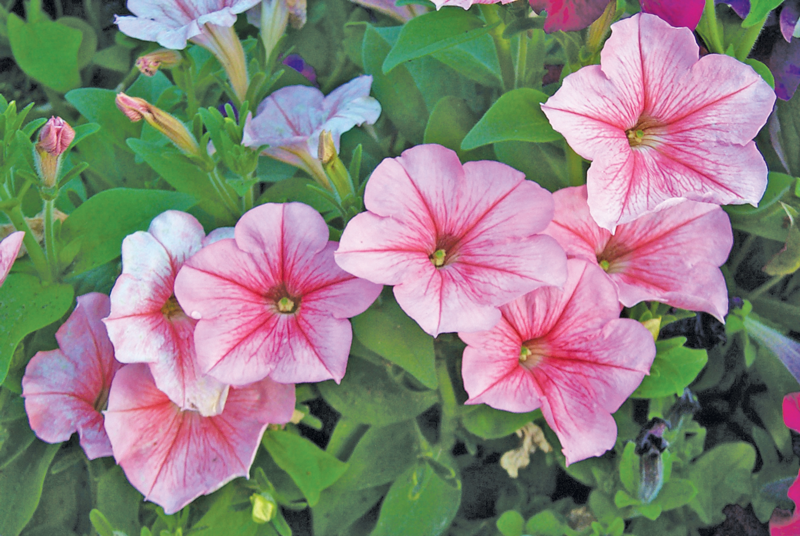
- Petunias
- Geraniums
- Zinnias
- Marigolds
- Salvia
Deadheading keeps plants in bloom mode.
Pruning: Control Shape and Performance
Pruning involves cutting back stems or branches to improve structure and overall plant health.
What it does:
- Promotes fuller, bushier growth
- Prevents plants from becoming leggy
- Improves airflow and reduces disease risk
- Strengthens overall structure
How to do it:
- Cut just above a node or leaf junction
- Remove weak, damaged, or overcrowded stems
- Shape the plant with intention
When to prune:
- Early season for shaping
- Mid season to refresh growth
- After a bloom cycle for certain perennials
Pruning helps guide how your plant grows, not just how it looks.
Pinching: Multiply Your Blooms
Pinching is a simple technique that removes the soft tips of new growth.
What it does:
- Encourages branching
- Creates fuller plants
- Leads to more flowering points
How to do it:
- Use your fingers to pinch off the top inch of new growth
- Focus on young, actively growing stems
Best for:
- Annuals like petunias and coleus
- Herbs like basil
It may feel counterintuitive, but pinching early leads to more blooms later.
When to Use Each Technique
- Deadheading: Ongoing throughout the season
- Pruning: Periodically to shape and refresh
- Pinching: Early and during active growth
Using all three creates a continuous cycle of growth and blooming.
Common Mistakes to Avoid
- Letting spent blooms sit too long
- Cutting too low when pruning
- Over pruning during extreme heat
- Skipping early pinching
Consistency is more important than perfection.
What You Will Notice
With regular maintenance, you will see:
- More frequent blooms
- Fuller, more balanced plants
- Stronger stems
- Longer lasting color
It is not more work. It is smarter care.
FAQs About Deadheading, Pruning and Pinching
Do all plants need deadheading?
Not all, but many annuals and perennials benefit. Some newer varieties are self cleaning.
Can I prune during hot weather?
Light pruning is fine, but avoid heavy cuts during extreme heat.
Is pinching necessary?
It is not required, but it greatly improves fullness and bloom production.
What tools should I use?
Sharp pruners or scissors for clean cuts. Your fingers work well for pinching.
Visit White House Nursery
Want bigger blooms and longer lasting color this season? Visit White House Nursery in Upperco, MD for expert advice and everything you need to keep your garden performing at its best.
White House Nursery
17422 Falls Road
Upperco, MD
Hours:
Monday to Saturday: 10 AM to 6 PM
Sunday: 12 PM to 4 PM
Let’s turn your garden into one that just keeps blooming.
