
Blog
Keep the Pollinators Coming: Late-Summer Plants Bees and Butterflies Love
Aug
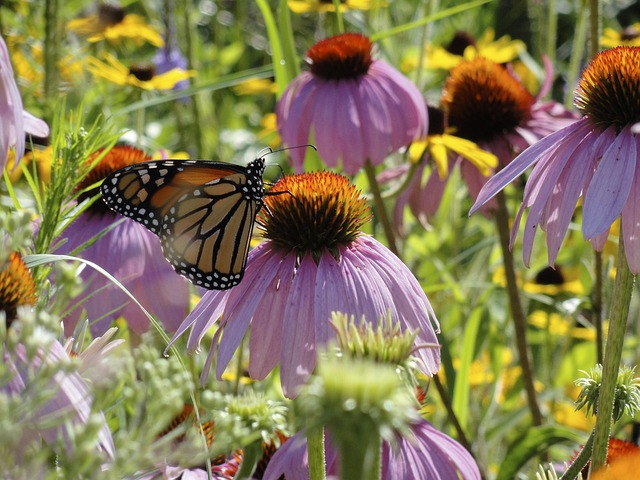
As summer begins to transition toward fall, bees, butterflies, hummingbirds, and other beneficial pollinators are still hard at work. By planting flowers that continue blooming late into the season, you can enjoy weeks of beautiful color while providing an important source of nectar for the wildlife that keeps Maryland gardens healthy and thriving.
A thoughtful mix of long-blooming perennials, native plants, flowering herbs, and colorful annuals will keep your landscape blooming and buzzing well into autumn.
Choose Long-Blooming Perennials
Perennials provide dependable color year after year while offering valuable nectar for pollinators.
Excellent choices include:
- Coneflowers
- Black-Eyed Susans
- Salvia
- Sedum
- Bee Balm
- Asters
These garden favorites continue blooming as many early summer flowers begin to fade.
Add Maryland Native Plants
Native plants are naturally adapted to Maryland’s climate and provide food and habitat for local wildlife.
Consider planting:
- New England Aster
- Joe Pye Weed
- Goldenrod
- Blazing Star (Liatris)
- Mountain Mint
- Native Milkweed
These plants provide nectar, pollen, shelter, and host plants for butterflies and native bees while requiring relatively little maintenance once established.
Let Herbs Bloom
Many culinary herbs become pollinator magnets when allowed to flower.
Leave a few stems unharvested on:
- Basil
- Oregano
- Thyme
- Chives
- Lavender
- Mint
Their blossoms provide nectar while adding fragrance and beauty to your garden.
Add Color with Annuals
Annual flowers help fill open spaces while providing continuous blooms until frost.
Pollinator-friendly favorites include:
- Zinnias
- Cosmos
- Lantana
- Verbena
- Sunflowers
- Marigolds
Regular deadheading encourages many annuals to continue flowering for weeks to come.
Plant in Groups
Pollinators naturally find larger groups of flowers more easily.
Planting several of the same variety together creates a bold display while making it easier for bees and butterflies to gather nectar efficiently.
Create a Pollinator-Friendly Habitat
Flowers are only part of what pollinators need.
Help create a welcoming landscape by:
- Providing a shallow water source
- Leaving some perennial seed heads standing
- Including shrubs and ornamental grasses for shelter
- Limiting pesticide use whenever possible
- Planting flowers that bloom from spring through fall
Even a small flower bed or patio container can make a meaningful difference.
Keep the Blooms Coming
The best pollinator gardens provide a steady source of nectar throughout the growing season.
Combine:
- Long-blooming perennials
- Native flowering plants
- Flowering herbs
- Colorful annuals
- Late-season asters and goldenrod
You’ll enjoy a vibrant landscape while supporting bees, butterflies, hummingbirds, and other beneficial insects well into fall.
Frequently Asked Questions
Which flowers attract the most butterflies?
Coneflowers, asters, milkweed, Joe Pye Weed, salvia, zinnias, and butterfly bush are all excellent butterfly favorites.
Why should I plant native flowers?
Native plants provide food and habitat for local pollinators and are naturally adapted to Maryland’s growing conditions.
Can herbs attract bees and butterflies?
Absolutely! Basil, oregano, thyme, chives, lavender, and mint all become valuable nectar sources when allowed to flower.
Should I deadhead pollinator plants?
Deadhead annuals to encourage more blooms, but consider leaving some perennial seed heads later in the season to provide food and shelter for birds and beneficial insects.
Can I still plant pollinator-friendly flowers now?
Yes! Many perennials, native plants, herbs, and annuals establish well in late summer with regular watering.
Visit Us
Whether you’re creating a pollinator paradise, adding colorful perennials, planting native species, or refreshing your landscape, White House Nursery has everything you need to keep your garden blooming and buzzing into fall.
White House Nursery
17422 Falls Road
Upperco, MD 21155
Retail Outlet: (410) 239-7202
Wholesale: (410) 374-4242
Visit us today and let our knowledgeable team help you choose beautiful, pollinator-friendly plants that will keep your landscape thriving through the seasons.
