
Blog
Divide and Conquer
Nov
Late-Fall Perennial Division
How to lift and divide daylilies, hostas, and irises before deep winter sets in
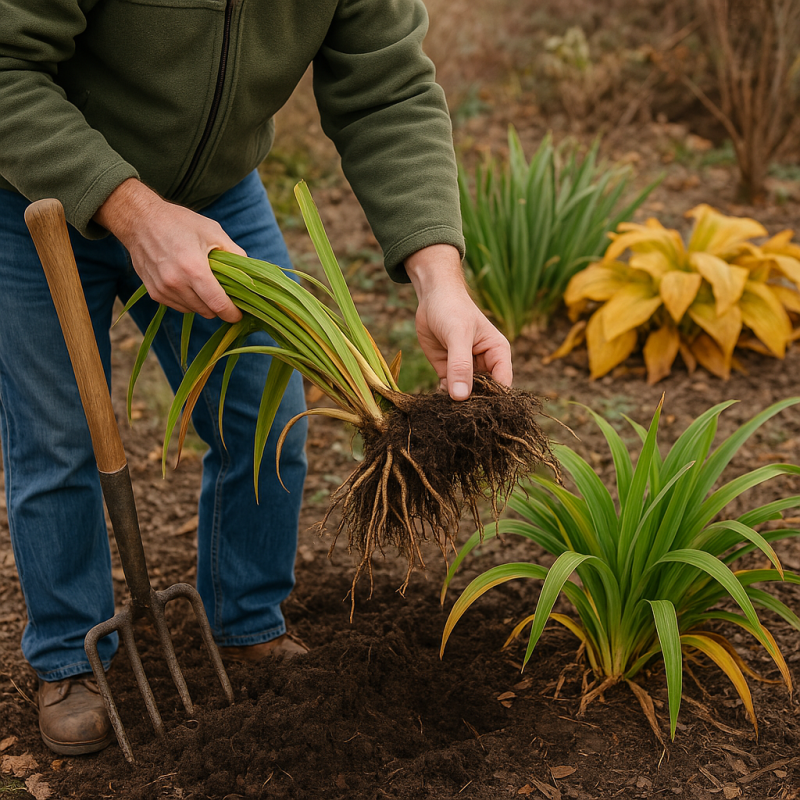
As the leaves drop and the garden winds down, there’s one last task that can make a big difference come spring: dividing your perennials. Late fall is the perfect time to lift and divide certain plants like daylilies, hostas, and irises. It’s a practical way to keep your garden healthy, encourage stronger blooms, and even stretch your plant investment into new areas of your yard.
At White House Nursery, we recommend tackling this project before the ground freezes solid but after most of your perennials have gone dormant. That window gives your plants time to settle in while the soil is still workable and the temperatures are cool.
Why Divide Perennials?
Over time, many perennial plants become crowded, with older centers dying off and new growth circling the edges. You might notice smaller blooms, fewer flowers, or clumps that look tired. Division rejuvenates these plants, gives roots room to grow, and allows you to create new groupings or share extras with neighbors.
What to Divide in Late Fall
While not all perennials are suited for division this time of year, these three are ideal:
-
Daylilies: Lift the clump and gently pry it apart by hand or with two garden forks back-to-back. Replant smaller clumps about 18 inches apart.
-
Hostas: These can be split into halves, thirds, or even more pieces depending on the size. A sharp spade works well here.
-
Irises: Especially bearded iris, which benefit from thinning every few years. Trim the leaves to about 6 inches, divide the rhizomes, and discard any that are soft or rotting.
When replanting, space divisions properly, water them in well, and add mulch for insulation.
Don’t Skip the Soil Boost
Healthy transplants need a healthy start. That’s where Espoma’s Bio-tone Starter Plus comes in. This organic fertilizer contains beneficial microbes and mycorrhizae that help roots establish faster and stronger, especially during fall planting. For bulbs or iris divisions, Espoma Bulb-tone is another great choice to boost next season’s blooms.
You can find both products here at White House Nursery, along with planting tools, compost, and mulches to help prepare your beds for winter.
Frequently Asked Questions
Is it too late to divide perennials in November?
Not necessarily. As long as the ground is still workable and you’re not expecting a hard freeze within days, you can divide safely. Just be sure to water and mulch after planting.
Can I divide flowering perennials that still look good?
For the healthiest results, wait until the top growth dies back or goes dormant. That way, the plant is focused on root development, not blooming.
What if I can’t replant all my divisions right away?
You can heel them into a temporary spot, keep them in containers with soil, or even store them in a cool garage for a short time—just don’t let roots dry out.
How often should I divide perennials?
Every 3 to 5 years is a good general rule, but watch for signs of crowding or poor performance. Some plants, like hostas, can go longer. Others, like irises, may need more frequent attention.
Plan Now, Bloom Later
Dividing perennials now is a smart way to ensure healthier growth and fuller blooms next season. Stop by White House Nursery for Espoma soil amendments, tools, and mulch, or just come talk with our team about what to divide and how to do it. We’re always happy to help you dig in with confidence.
Visit us at 17422 Falls Road in Upperco, Maryland, or give us a call at 410-239-7202 with any questions. Fall might be winding down, but your garden’s future is just getting started.
