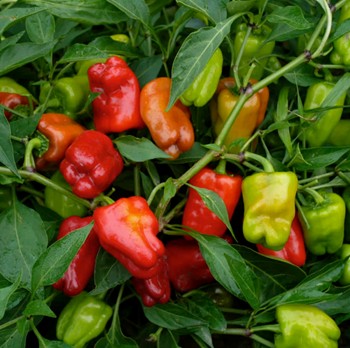
Spring Vegetable Collection

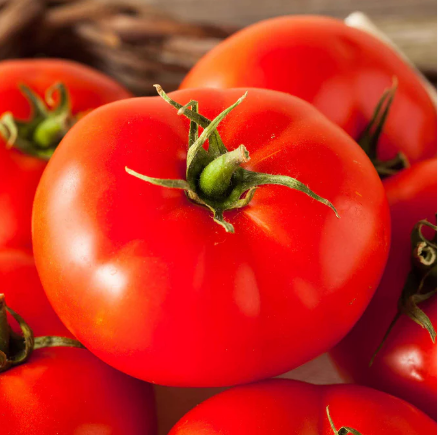
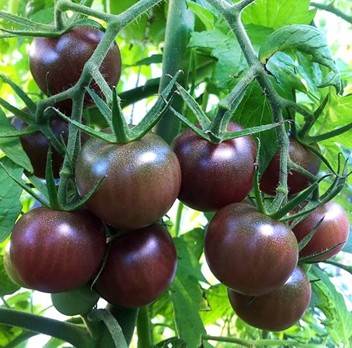
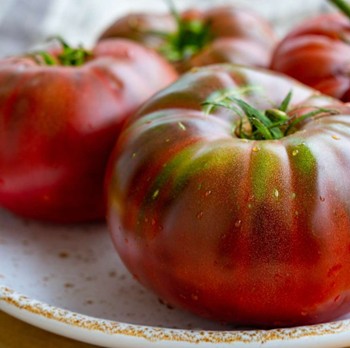
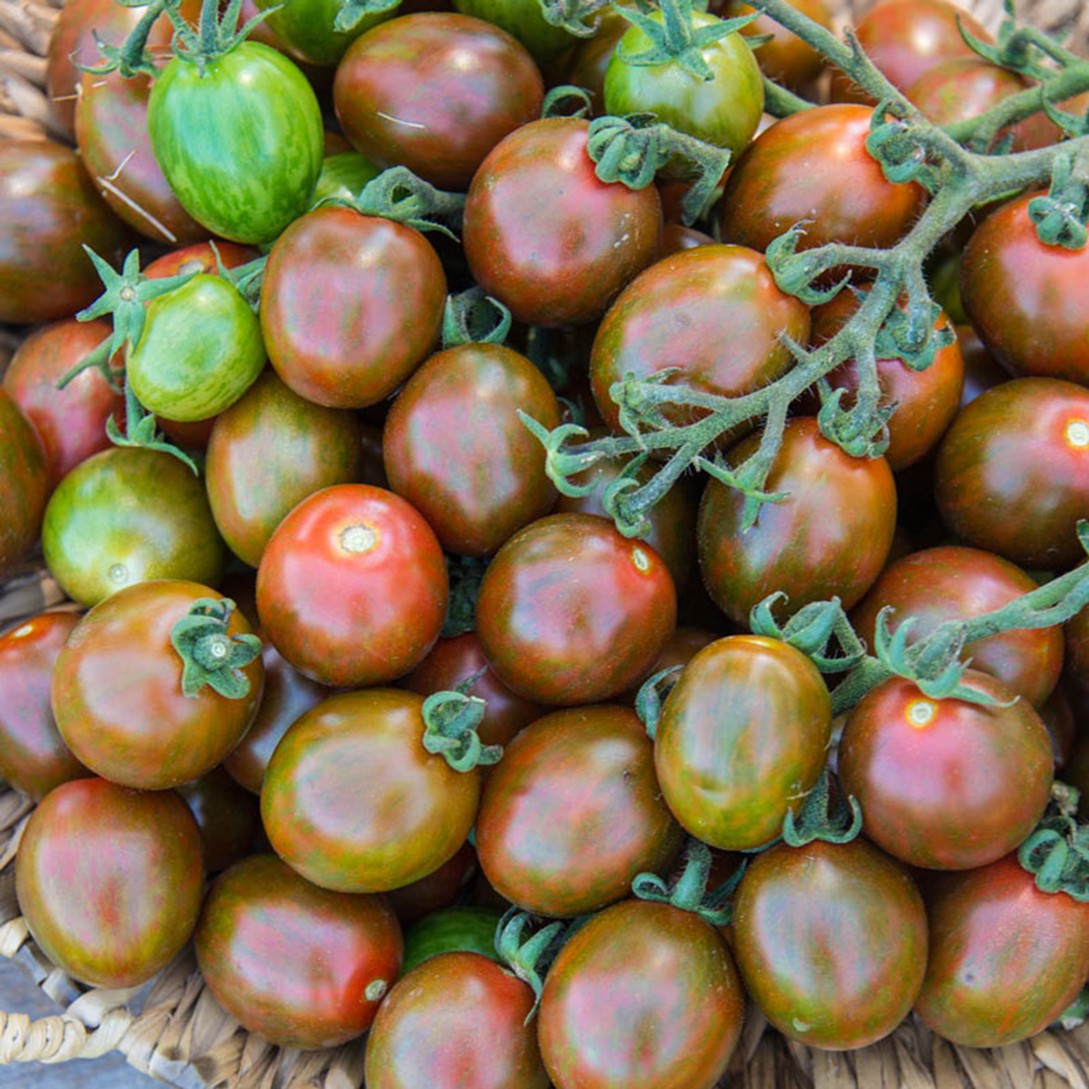
Get your garden off to a strong start with our greenhouse-grown tomatoes and peppers, carefully raised and ready for your backyard. We’ve added a few extra favorites to help you grow a summer full of fresh flavor. Grown right here with strong roots and healthy growth, these plants are selected to give you a productive and successful season.

Reserve your spring vegetables!

  • Our spring vegetables are grown exclusively for you and sold individually, allowing you to mix and match the exact varieties you want for your garden. Each plant is carefully started in our greenhouse and grown on to develop strong roots and healthy growth.
  • Seeds are sown in late winter and tended through early spring until they’re ready for pickup between April 27–May 2 — just in time for planting season.
  • To reserve your plants, simply place your order by March 30.
Order Now

Why Grow Your Own?

Growing your own vegetables is good for you, fun to watch as flowers turn into colorful fruits, and deeply satisfying when your efforts turn into healthy meals. As tomatoes ripen on the vine, plant sugars and Vitamin C develop into the rich, delicious flavors we crave — “homegrown” really does taste better.

We’re pleased to offer a wide selection of tomato and pepper plants ranging from mild to bold flavors, along with a unique vining zucchini squash. YUM!

Most fruiting vegetables require full sun — defined as at least 6–8 hours of direct sunlight daily. Whether grown in containers or in the ground, they need consistent water, good nutrition, and benefit from staking or caging for support.

Fun fact: tomatoes, peppers, eggplant, and potatoes all belong to the same plant family — Solanaceae.

Our plants are grown in 2.25” square pots, 3” deep. Order by March 30 and we’ll grow them just for you!

Growing Tips from Our Greenhouse

Tomato Growing Notes
  • Plant deep. Set tomato seedlings deep in the soil — up to the lowest leaves. If the stem is long, remove lower leaves and plant deeper or slightly sideways. Roots will grow along the buried stem, creating a stronger plant.

  • Sun + drainage matter. Tomatoes need full sun (6–8+ hours) and well-drained soil. They like consistent moisture but do not like soggy roots.

  • Prevent blossom end rot. Adding calcium at planting can help. Crushed eggshells, bone meal, or calcium carbonate all work well.

  • Support your plants.

    • Indeterminate varieties keep growing and producing all season — great for steady harvests. They need staking or trellising.

    • Determinate varieties set most of their fruit at once — perfect for canning and sauces. They still benefit from cages for support.

  • Better flavor tip: Store ripe tomatoes above 54°. Refrigeration dulls flavor. At season’s end, mature green tomatoes can be wrapped in newspaper and allowed to ripen indoors.

Choose varieties based on how you love to eat them — slicing, snacking, cooking, canning, or freezing for winter enjoyment.
 
 
Pepper Growing Notes
  • Wait for warm soil. Peppers prefer soil temperatures of 60° or warmer before planting. They thrive in full sun and rich, compost-amended soil.
  • Support heavy producers. Cages or stakes help hold up branches once peppers begin setting fruit.

  • Sweet or spicy? The Scoville scale measures heat. Sweet peppers rank low, hot peppers rank high. Hot, sunny weather can actually make peppers taste spicier.

  • Let them fully ripen. Peppers spend half their time growing and half ripening. The longer they ripen on the plant, the sweeter (and more colorful) they become.

  • Storage tip: Store ripe peppers around 45–50°. They can be frozen, but texture softens — best used later in cooked dishes.

Peppers are beautiful plants with glossy leaves and colorful fruit — don’t be afraid to tuck a few into flower beds for a little edible color.

Vining Zucchini Notes
  • A summer favorite. Zucchini is a summer squash (not winter squash like pumpkins) and grows quickly once warm weather arrives.
  • Give it room and rich soil. Zucchini develops deep roots and prefers loose, nutrient-rich soil. Some gardeners plant in small “hills” for good drainage.

  • Vining habit. This variety sends out long stems that vine but don’t climb on their own. Plan to guide or tie stems onto a trellis or fence.

  • Harvest often. Pick fruit at a smaller size to keep plants producing and prevent vines from getting weighed down.

Great fresh, grilled, baked into breads and muffins — and once you’ve had your fill, perfect for sharing with neighbors.

Ready to taste the difference homegrown makes?
Reserve your favorite varieties today and get ready for a summer filled with juicy tomatoes, crisp peppers, and garden-fresh meals.