
Blog
Feeding the Birds: Creating a Wildlife-Friendly Winter Garden
Jan
While White House Nursery is closed for the season, your garden can remain full of life by becoming a haven for birds and other wildlife throughout the winter. As natural food sources dwindle and freezing temperatures make water difficult to find, your outdoor space can provide much-needed support. With a few simple changes, you can help local wildlife thrive and enjoy the beauty of nature all season long.
1. Provide Natural Food Sources
Birds rely on berries, seeds, and insects to sustain them during the colder months. By incorporating plants that provide nourishment, you can help support them through winter. Some great options include:
- Berry-producing shrubs like winterberry, viburnum, and holly, which supply energy-rich fruits.
- Seed-bearing plants such as sunflowers, coneflowers, and ornamental grasses left standing through the season.
- Evergreens, which offer shelter and attract overwintering insects that birds rely on for food.
2. Add Bird Feeders
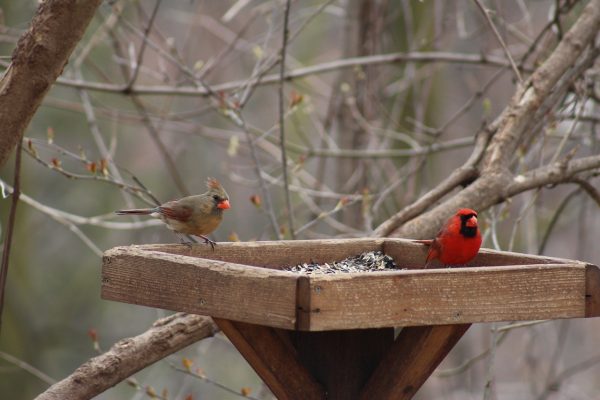
Supplementing natural food sources with bird feeders is an easy way to attract and support birds in your garden. Stock up on:
- Black-oil sunflower seeds: A favorite among many backyard birds.
- Suet cakes: High-energy food for woodpeckers, chickadees, and other insect-eaters.
- Nyjer seed: Ideal for finches and small songbirds.
- Mixed seed blends: A great way to attract a variety of birds.
Place feeders near shrubs or trees to provide birds with safe perches and protection from predators.
3. Keep Water Accessible
Fresh, unfrozen water is critical for birds’ survival in winter, but natural sources often freeze. A heated birdbath ensures birds have access to water even on the coldest days. If a heated option isn’t available, place a shallow dish of water outside and refresh it frequently to prevent freezing.
4. Provide Shelter
Shelter is essential for helping birds and small animals escape harsh winter conditions. You can create safe spaces by:
- Planting evergreens to serve as windbreaks and offer year-round cover.
- Leaving brush piles of branches and twigs to create cozy hiding spots.
- Installing birdhouses to give roosting birds a warm, safe place to rest.
- Mulching garden beds, which provides habitat for overwintering insects that birds rely on for food.
5. Avoid Harmful Practices
To ensure your garden remains a safe haven for wildlife, follow these simple tips:
- Avoid pesticides and herbicides: These chemicals can harm birds and their food sources.
- Clean feeders regularly: Wash them every two weeks to prevent the spread of disease.
- Prevent window collisions: Apply decals to large windows near feeding stations to help birds avoid accidents.
6. Plan Ahead for Wildlife
A winter-friendly garden starts with thoughtful planning. By planting native species that provide food, shelter, and habitat, your garden can be a welcoming space for birds and pollinators year-round.
Though White House Nursery is closed for the season, we look forward to welcoming you back in the spring! Until then, enjoy the beauty of winter and the wildlife that visits your garden. With just a little effort, you can create a space that not only supports local birds but also brings life and movement to your outdoor landscape all winter long. See you in the spring!
