
Blog
Design a Stunning & Productive Yard-to-Table Garden
Mar
A yard-to-table garden is the perfect way to blend beauty, sustainability, and homegrown flavor into your landscape. By incorporating fruit trees, berry bushes, fresh vegetables, and aromatic herbs, you can create a thriving outdoor space that provides fresh ingredients year-round while enhancing the natural beauty of your home. Whether you have a spacious yard or a small garden, this design plan will help you cultivate an edible landscape that is both visually appealing and highly productive.
Why Grow a Yard-to-Table Garden?
A thoughtfully designed edible garden offers a variety of benefits beyond fresh food—it contributes to a sustainable lifestyle, enhances biodiversity, and creates a serene outdoor retreat.
✔ Harvest homegrown fruits, vegetables, and herbs all season long
✔ Reduce grocery costs and enjoy organic, pesticide-free produce
✔ Create a stunning landscape with lush, colorful edible plants
✔ Support pollinators like bees and butterflies for a thriving ecosystem
✔ Enjoy a rewarding and sustainable gardening experience
Key Features of a Thriving & Beautiful Edible Garden
🌳 1. Fruit Trees: The Heart of the Landscape
Fruit trees provide structure, shade, and delicious harvests. Dwarf fruit trees are an excellent choice for smaller spaces, allowing you to enjoy full-sized fruit without taking up too much room.
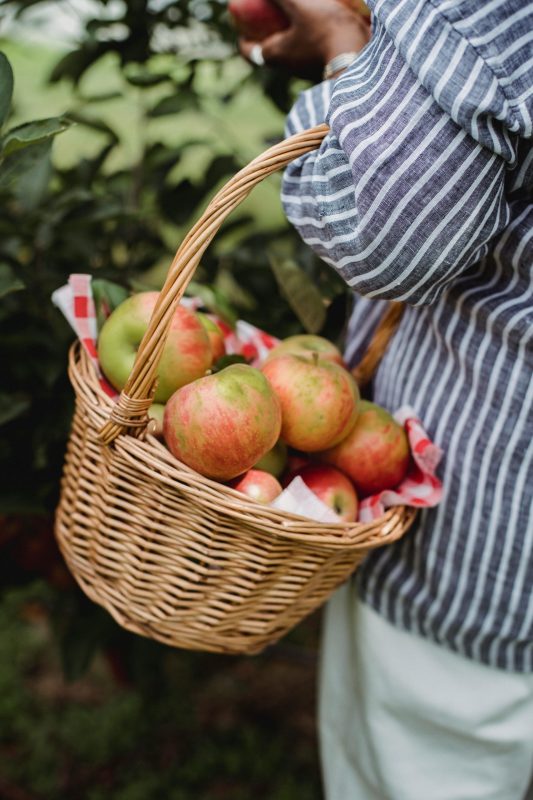
🍏 Apple or Pear Trees – Spring blossoms, summer shade, and a crisp fall harvest
🍑 Peach or Plum Trees – Fragrant flowers and sweet, juicy fruit
🍋 Fig or Citrus Trees – Ideal for warmer climates or container gardening
🍓 2. Berry Bushes: Edible Borders & Natural Hedges
Berry bushes not only produce flavorful fruit but also add texture, color, and seasonal interest to your garden.
Blueberries – Compact and ornamental, with brilliant fall foliage
Raspberries & Blackberries – Perfect for trellises or natural fences
Strawberries – A beautiful, low-growing ground cover
Grapevines – Add height and texture while providing delicious clusters of fruit
🥕 3. Raised Vegetable Beds: The Center of Your Garden
Raised beds help maximize growing space, improve soil drainage, and make gardening more accessible. Organize plants based on their needs and growth habits for a high-yield, visually balanced layout.
Leafy Greens & Herbs: Lettuce, kale, basil, rosemary, and thyme (plant near pathways for easy access)
Root Vegetables: Carrots, beets, radishes, and onions (deep soil beds work best)
Tomatoes & Peppers: Use stakes or cages for support and airflow
Climbing Vegetables: Cucumbers, beans, and peas (train on trellises to maximize vertical space)
🌼 4. Pollinator-Friendly Flowers & Companion Planting
Adding flowers and herbs to your edible garden enhances biodiversity, attracts beneficial pollinators, and deters harmful pests.
🌻 Marigolds – Repel common garden pests and add bright color
🌿 Lavender & Chamomile – Attract pollinators and enhance the sensory appeal of the garden
🌱 Nasturtiums – Provide natural pest control and beautiful trailing blooms
Small-Space Garden Layout for Maximum Harvest & Beauty
Even in limited space, you can create a productive and visually stunning edible garden with smart design choices:
📍 Focal Point: A dwarf fruit tree for seasonal interest and shade
📍 Edible Borders: Berry bushes along fences or garden pathways
📍 Pathway Accents: Strawberries and aromatic herbs for a fragrant, inviting walkway
📍 Vegetable Beds: Organized by plant height and seasonal growth cycles
📍 Pollinator Plants: Scattered flowers to encourage a balanced ecosystem
This layout ensures an efficient, aesthetically pleasing, and productive edible landscape for any home.
Start Your Yard-to-Table Garden Today!
A yard-to-table garden is a wonderful way to create a beautiful, sustainable, and food-producing landscape right in your own backyard. Whether you are starting small or transforming your entire garden into an edible oasis, careful planning and plant selection will help you cultivate a space that is both practical and visually stunning.
🌿 Let your garden be a place of beauty, abundance, and inspiration! 🌸🍅
