
Blog
Create a Buzz: How to Build a Pollinator Paradise in Your Backyard
Jun
A How-To Guide from Your Friends at Whitehouse Nursery
If you’ve ever paused to admire a butterfly drifting through the garden or watched a bee busily collecting pollen, you already know how magical pollinators are. But did you know you can design a space specifically to attract and support these helpful garden guests?
At Whitehouse Nursery, we’re here to help you turn your yard – big or small – into a buzzing, fluttering haven for bees, butterflies, and beneficial insects. Whether you’re starting from scratch or enhancing an existing garden bed, follow these simple steps to create your very own pollinator paradise.
🌿 Step 1: Choose the Right Spot
Most pollinator plants thrive in full sun, so pick a location that gets at least 6 hours of sunlight daily. Choose an area that’s protected from strong wind, if possible, but still easy to access for watering and weeding.
Whitehouse Tip: Edges of vegetable gardens, borders along fences, and even sunny strips near patios are perfect spots for pollinator beds!
🌸 Step 2: Plan in Layers & Groupings
Pollinators are more likely to visit if they can see big blocks of color. Plant in drifts – groups of 3 or more of the same plant – to help pollinators find their favorites. Think of your garden in layers: tall plants in the back, mid-sized in the middle, and low growers at the edge.
Here’s a sample layout using plants in stock at Whitehouse Nursery:
-
Tall Layer (Back of the Bed)
-
Veronicastrum virginicum (Culver’s Root)
-
Agastache (Anise Hyssop)
-
-
Mid Layer (Middle of the Bed)
-
Echinacea ‘Pow Wow Wildberry’ (Coneflower)
-
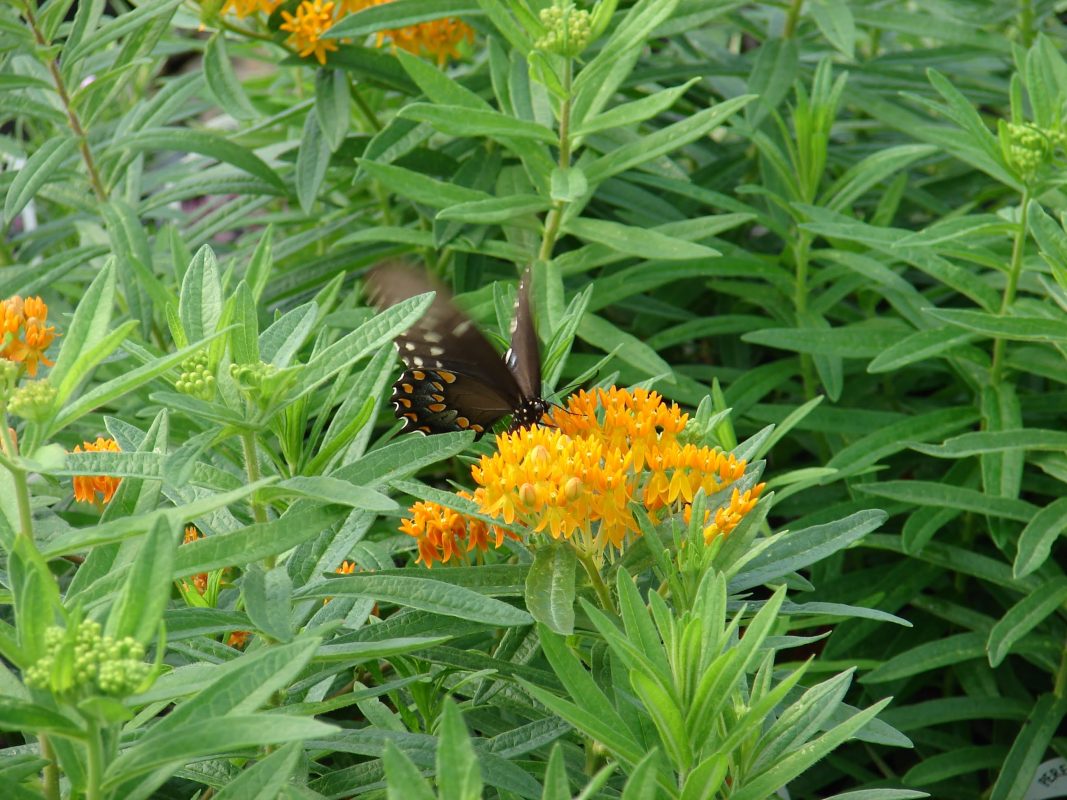
Asclepias curassavica (Tropical Milkweed)
-
Cuphea (Cigar Plant)
-
-
Front Layer (Border or Edge)
-
Gomphrena (Globe Amaranth)
-
Parsley (for swallowtail caterpillars!)
-
Ruta ‘Blue Mound’
-
Salvia
-
Cosmos
-
Zinnias
-
💧 Step 3: Water Wisely
Water new plantings well until they’re established – especially during hot, dry spells. Most pollinator plants, once rooted, are relatively drought-tolerant, but they still appreciate deep watering every few days rather than light, frequent sprinkles.
Whitehouse Tip: Water early in the morning to give plants a head start on the day and prevent mildew. And avoid overhead watering during blooms to keep nectar accessible to pollinators.
🌼 Step 4: Go Organic & Skip the Spray
Pesticides, especially those with neonicotinoids, can be harmful to pollinators. Use organic fertilizers, compost, and natural pest control methods instead.
Bonus Tip: Add a shallow dish of water with pebbles for butterflies and bees to land on and sip safely.
🌱 Step 5: Keep the Bloom Going
Plant a mix of early, mid, and late-blooming varieties to ensure nectar and pollen are available all season. Many of the annuals and perennials we offer at Whitehouse Nursery bloom well into fall, keeping pollinators fueled and happy.
Ask our staff to help you build a blooming calendar with your plant picks – we love helping customers plan for color and purpose!
Ready to Create a Buzz?
We have everything you need here at Whitehouse Nursery to get started – from native perennials and pollinator-friendly annuals to expert advice and local know-how. Come in and we’ll walk you through choosing the right plants, arranging your space, and making your garden a true pollinator magnet.
Whether you’re growing for the bees, the butterflies, or the beauty, we’re here to help you grow something meaningful.
Let’s create a buzz this summer – together. 🐝🦋🌸
