
Blog
Protecting Plants from Frost: Covers, Mulch & Timing
Oct
When chilly nights start to settle in, it’s time to think about protecting your plants from frost. A sudden cold snap can damage tender flowers, vegetables, and even young shrubs. With a few simple steps, you can extend your garden’s life well into the season and keep your plants healthy for the months ahead.
Understanding Frost and Its Effects
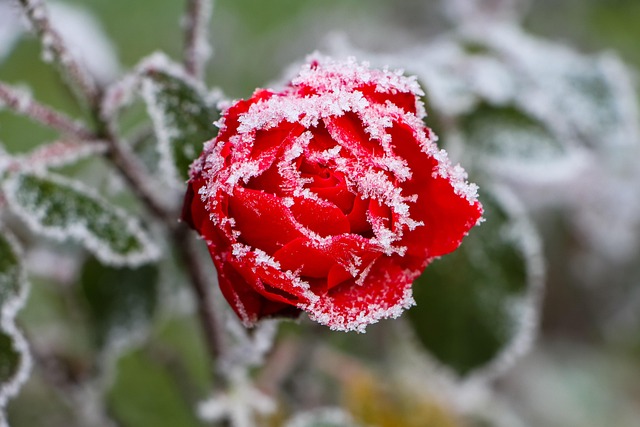
Frost occurs when temperatures drop to near or below freezing, causing moisture on plant leaves to form ice crystals. These crystals can rupture plant cells, leaving leaves wilted, blackened, or dead. Some plants are more sensitive than others—annuals and tropicals are usually first to suffer, while perennials and hardy shrubs can tolerate more cold.
Watch the Weather
Timing is everything when it comes to frost protection. Keep an eye on local forecasts, especially for clear, calm nights when temperatures dip quickly. Cloudy or breezy conditions often prevent frost from forming, while still, open nights are the riskiest.
A simple thermometer in your garden can be your best tool. Many gardeners begin their frost protection routine when temperatures are predicted to fall below 40°F.
Covering Plants Effectively
1. Use the Right Material
Lightweight fabrics such as frost cloth, old sheets, or breathable row covers are best. Avoid using plastic directly on plants, as it traps moisture and can cause damage when it freezes.
2. Cover Before Sunset
Put covers in place before nightfall to trap the warmth stored in the soil during the day. Make sure the cover reaches the ground on all sides to hold in the heat.
3. Remove in the Morning
Uncover plants once the temperature rises above freezing. This prevents excess moisture buildup and allows sunlight to reach the leaves.
Mulching for Insulation
A generous layer of mulch helps regulate soil temperature and moisture, keeping roots protected through cold nights. Use shredded leaves, straw, or bark mulch around perennials and shrubs. For extra-sensitive plants, mound mulch a few inches higher over the root zone when frost is expected.
Mulching also provides long-term benefits—reducing weeds, improving soil structure, and conserving moisture throughout winter.
Timing: When to Stop and When to Start
-
Annuals and vegetables: Cover or harvest when frost is forecasted. Some crops, like kale and carrots, can tolerate light frost and even improve in flavor afterward.
-
Perennials: Wait until after a few light frosts before cutting them back; this helps signal dormancy.
-
Container plants: Move potted plants close to the house or inside a garage or shed for extra warmth.
Quick Frost-Protection Checklist
-
Monitor nightly temperatures.
-
Water soil before a frost—moist soil holds heat better than dry soil.
-
Cover tender plants with breathable fabric.
-
Use mulch to protect roots.
-
Move containers to sheltered areas.
Protecting your plants from frost doesn’t have to be complicated. With the right timing, simple coverings, and a bit of mulch, you can shield your garden from cold damage and enjoy healthy, thriving plants well into late fall.
Visit White House Nursery for frost cloth, mulch, and expert advice on keeping your garden protected as temperatures drop. Our team can help you choose the right materials and techniques for your specific plants and growing conditions.
